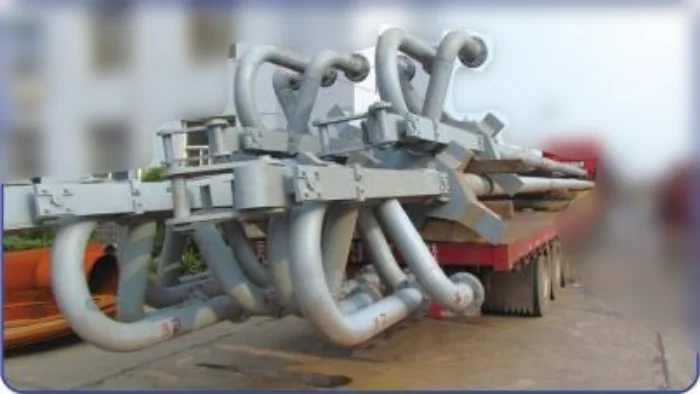
The oxygen lance is one of the key equipment of the converter and an indispensable tool for transporting gases such as oxygen and nitrogen during the steelmaking process. It operates under high-temperature conditions for a long time and can precisely control the supply and flow rate of gas to meet the requirements of the steelmaking process.
1). Oxygen Lance Structure It consists of three sections: lance tip, lance body, and lance tail. The lance body must not only meet gas supply needs but also achieve rapid cooling under high temperatures, so it is composed of three layers of seamless steel pipes: (a) – The inner pipe serves as the oxygen channel; (b) – The gap between the inner pipe and the middle pipe is the inlet channel for cooling water; (c) – The gap between the middle pipe and the outer pipe is the outlet channel for cooling water.
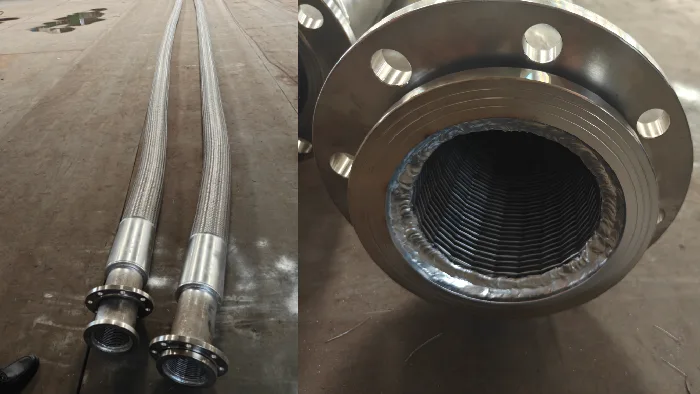
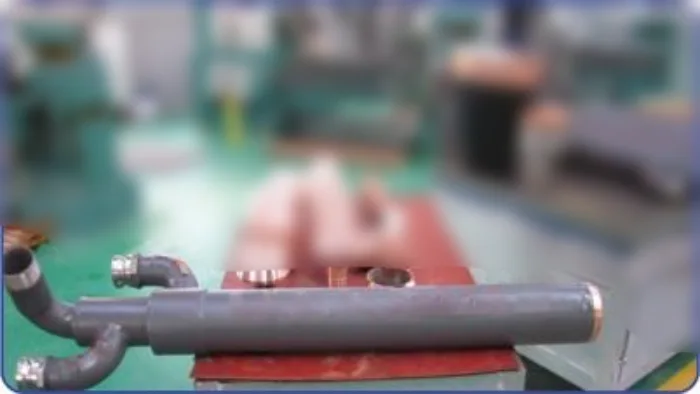
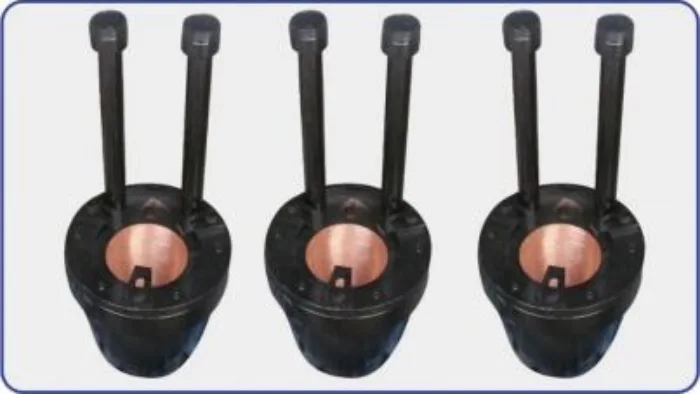
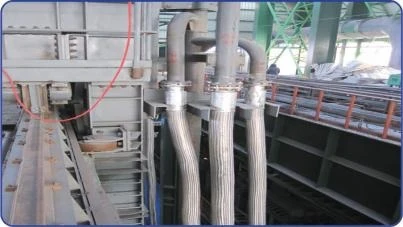
2. Oxygen Lance Connection Methods There are two connection methods: flange connection and quick-change connector connection. Replacing an oxygen lance with flange connection is cumbersome, requiring removal of three hoses connected to the oxygen lance and many bolts, which is inconvenient for high-altitude operations. In contrast, the quick-change connector is very convenient—after loosening the fixed pin shaft, the oxygen lance can be lifted and replaced as shown in the figures below.
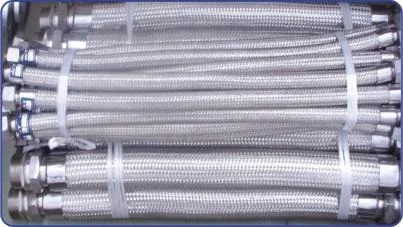
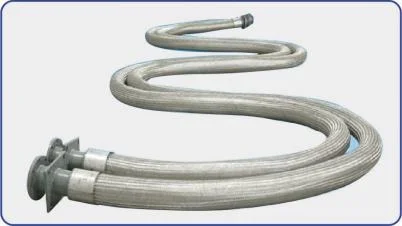
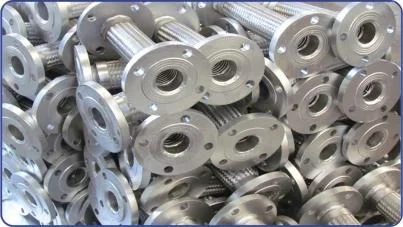
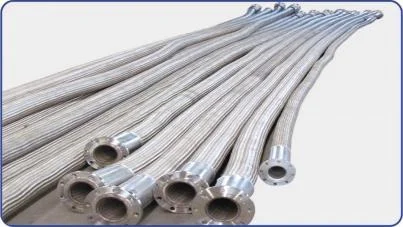
Oxygen (water) Hose
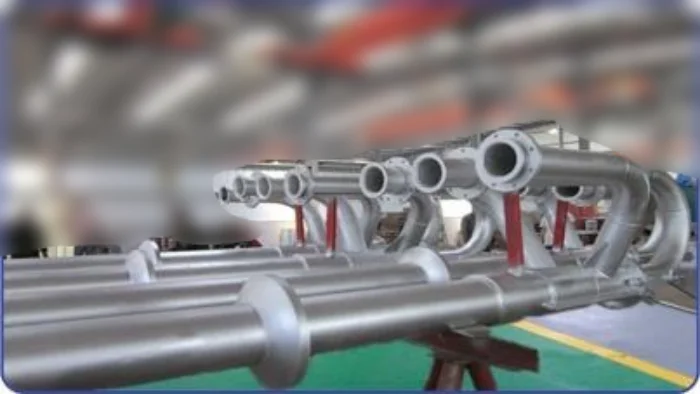
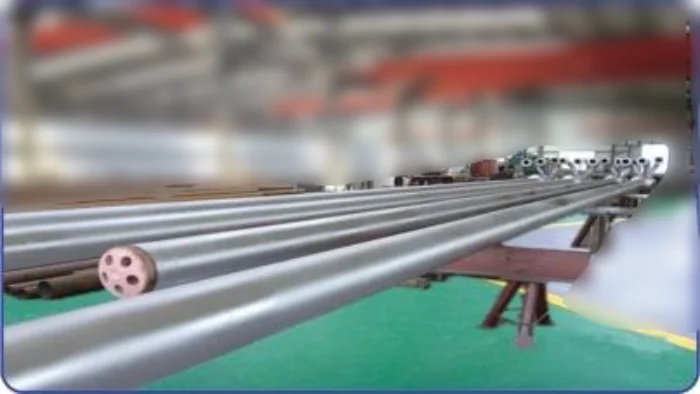
Body Lance for EAF
Water-cooling Copper Socket
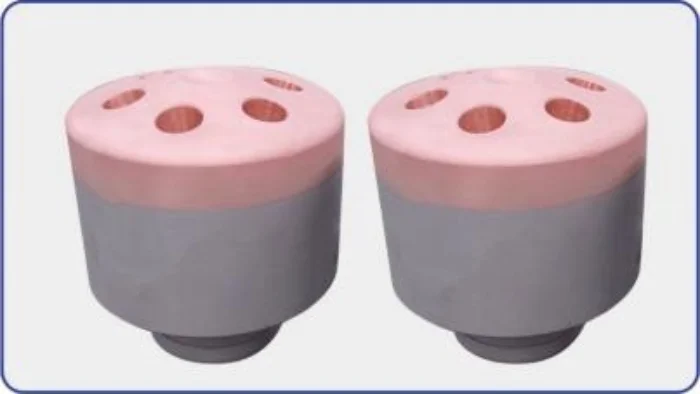
Oxygen Lance Nozzle
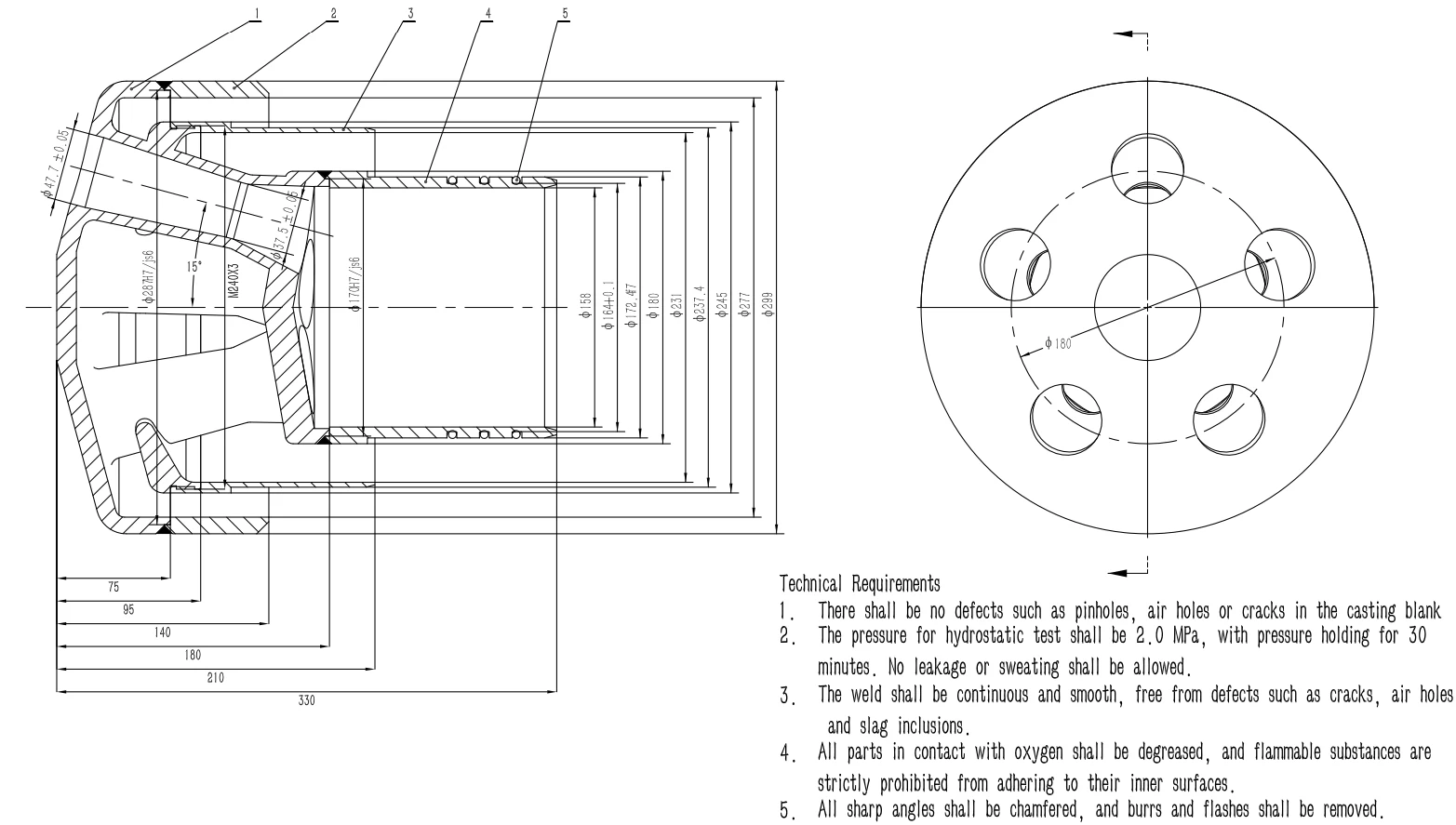
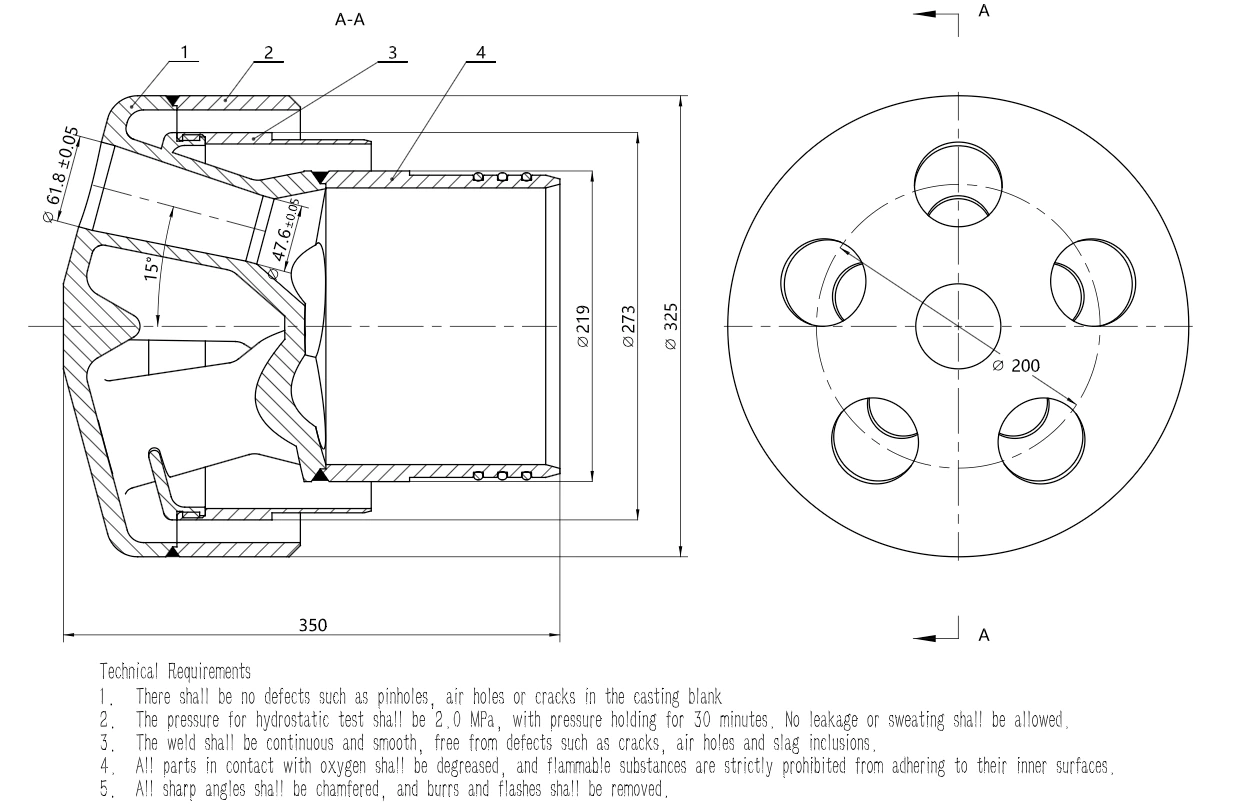
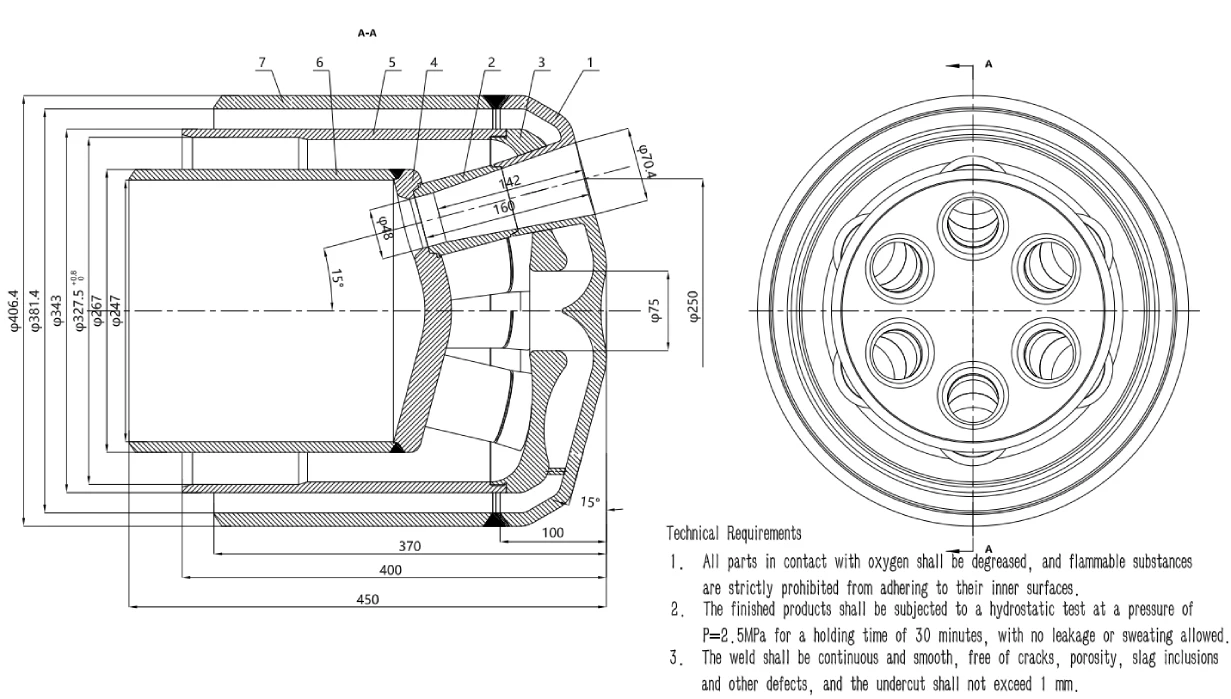
The oxygen lance nozzle is a key component of the oxygen converter, and its performance is crucial to the smelting effect. It generally has a 3 to 6-hole structure and is divided into two types: cast and forged according to the production process. Cast nozzles are generally used in small and medium-sized converters, featuring simple manufacturing, low cost, and short service life; forged nozzles are generally used in large and medium-sized converters, with complex manufacturing processes, high cost, and long service life. The forged nozzles of our company have the following characteristics:
1. The bottom of the nozzle is made of oxygen-free copper with a Cu content of ≥99.97%. Its thermal conductivity is 74% higher than that of cast copper. It is extruded and formed using a special mould, which greatly improves the high-temperature deformation resistance of the nozzle end, making the smelting performance of the nozzle more stable and the service life longer. The manufacturing process has reached the international leading level.
2. The water channel is processed by machinery with high surface finish and small water flow resistance. Upper and lower water guide cones are designed to force cooling of the nozzle centre, resulting in small deformation of the nozzle end face and nozzle outlet.
3. The copper-steel weld of the outer pipe adopts argon arc welding, and high-quality silver-based welding wire is selected for brazing. The weld has high strength, high crack resistance, and high safety.
Converter Oxygen Lance Lifting and Traversing System
Converter Oxygen Lance Lifting and Traversing System
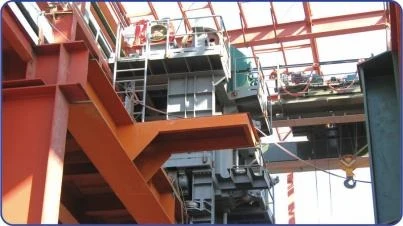
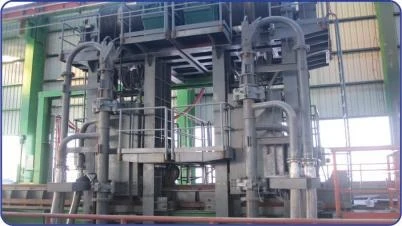
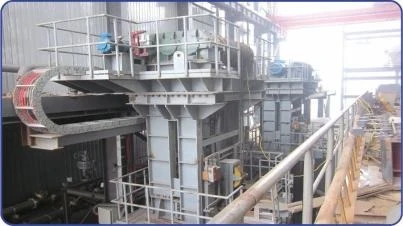
The oxygen lance lifting and traversing system undertakes the functions of vertical lifting and horizontal movement of the oxygen lance, directly affecting the steelmaking rhythm, oxygen lance service life, and production safety. It is mainly composed of lifting rails, hoisting devices, and lifting trolleys. 1. Lifting Rails (a) – Built-in wheeled guide rail: Relatively sturdy but requires a large space. (b) – External wheeled guide rail: When using external guide rails, the trolley can be made smaller and more compact.
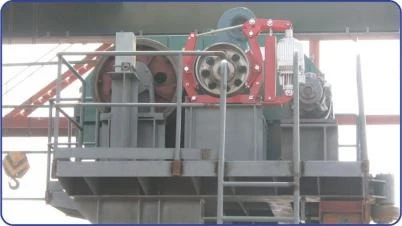
2. Hoisting Device It includes a variable-frequency main motor, reducer, reel, emergency lifting device, lifting trolley, etc., as shown in the figure:
(1) Emergency Lifting Mechanism There are two types: pneumatic motor and emergency motor: 1. Pneumatic motor lifting: After an emergency power outage, the air source (compressed air or compressed nitrogen) drives the pneumatic motor, thereby driving the reducer—reel—steel wire rope—trolley to lift the lance. 2. EPS emergency power supply: After an emergency power outage, the backup EPS emergency power supply serves as the prime power to drive the motor to lift the lance. (2) Reducer Types 1. Ordinary reducer: Single-shaft input, widely used, low cost.
2. Differential reducer: Dual-shaft input, high cost. (3) Lifting Trolley 1. Anti-fall Forms – Friction type: It can be divided into wedge friction and lever friction. The guide rail has a processed surface as the braking surface. – Card plate type: It requires brake blocks to be processed on the guide rail, as shown in the figure on the right.
2. Oxygen Lance Installation Methods – Single lance clamping position: Compression and adjustment are at one position. If the oxygen lance is misaligned, it can be adjusted by adjusting gaskets. This method is cumbersome to adjust, so it is rarely used now. -Double lance clamping positions: One for compression and one for adjustment. This oxygen lance install